Zhane SJ
This is an anecdote of my personal experience with PCOS symptoms and the impact they have had in the coming of age period in my life. If anything, I hope that this provides an insight into an individual’s perspective for those who may or may not have experienced something similar.
Disclaimer: PCOS has many layers and I feel as though I have just scratched the surface of it all.
“What I thought was me wanting to get pregnant by this man, was actually a desperate attempt to prove to myself and him, that there was nothing wrong with me and that I could actually conceive”.
What is PCOS?
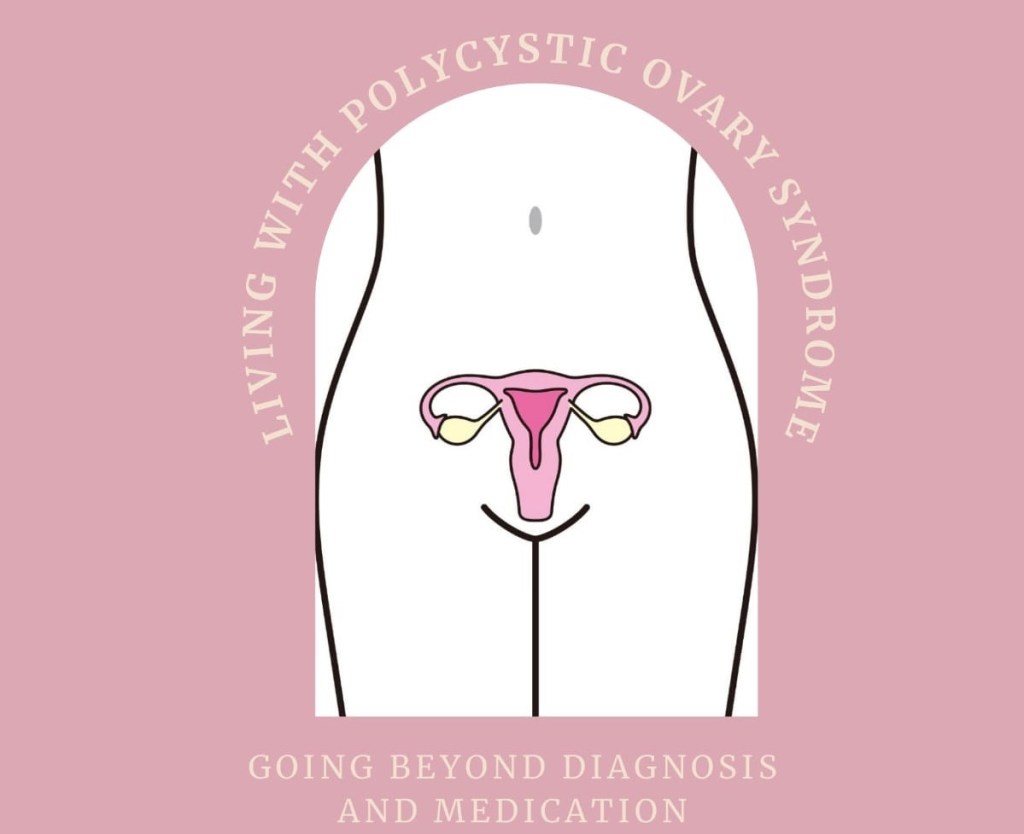
Polycystic ovarian syndrome (PCOS) is an endocrine disorder that affects 1 in 10 women in the UK. PCOS is caused by high levels of androgens AKA male hormones. Androgens are the group of hormones that are responsible for male traits such as male pattern baldness and and reproductive functions in men. Normally all women have a low level of androgens, however, for women with PCOS, they have an abnormal imbalance of female & male hormones. The majority of people with polycystic ovary syndrome (PCOS) have insulin resistance or high insulin which can also drive production of androgens. This wreaks havoc on the physical, mental and emotional wellbeing of those diagnosed with the wretched condition.
MY SYMPTOMS
At the tender age of 13 years old, it had been brought to my attention that I had a few wispy hairs underneath my chin. I was absolutely mortified. An angry, insecure, ‘big boned’ adolescent, who was already en route to all kinds of self-destructive behaviour and other mental health struggles. My acne was thriving and I had a row of shiny train tracks running across my teeth to compliment all of my other awkward physical characteristics.
So now I’m contending with depriving myself of meals, trial & error acne treatments and practically burning my skin with Poundland hair removal creams. It got to the point where the hair was growing back so fast and so thick that I was Nairing every single day before school. My skin became burnt, swollen and lumpy so I had to give it up but there was one thing that I always knew with the battle of the beard. I would never shave. I resorted to plucking, each and every day before bed. It actually became therapeutic to me and honestly, I still miss it now.
As I reached my late teens and went off to university, intimate relationships started to become more of a thing. I often found myself in a state of panic, running to Superdrugs and to the clinic to take pregnancy tests when there was no sign of my period. According to the NHS, a ‘normal’ cycle length should be anywhere between 21 – 40 days. To put my irregular periods into perspective, within the last year my longest cycle length has been 53 days and the shortest at 11 days. I can go a month without a period or have two periods in a month; they’re painful, heavy and sometimes even debilitating. Although for many other PCOS sufferers, they may not see their period at all without medical intervention or long term holistic healing; absent periods also increase the risk of endometrial cancer.
A toxic four year situationship led me to realise that not only were my periods late but that I never actually had any reason/explanation for this. The first thing you think of when you’re a minute over your due period is ‘Am I Pregnant?!’ We were never careful and during a summer break from uni we actually had a short stint of actively trying to get pregnant (what an absolute idiot I was). My mind consuming obsession with what I thought was me wanting to get pregnant by this man, was actually a desperate attempt to prove to myself and him, that there was nothing wrong with me and that I could actually conceive.
I have only discussed some of the main symptoms that lead me to my diagnosis but essentially, I am the poster girl for PCOS… You name the symptom, I probably have it.
COMMON SYMPTOMS OF PCOS
PCOS can also prevent the ovaries from working as they should in the menstrual cycle, resulting in a lack of ovulation & irregular periods. The follicles on the ovaries that usually mature and release during the ovulation period during a ‘normal’ cycle are unable to do so, resulting in a small fluid filled sack remaining on the outside of the ovary; hence ‘polycystic’. The ovaries become enlarged and these tiny harmless cysts usually disperse on their own, which can sometimes cause sharp pains. This element of PCOS is one of the main causes for infertility in women but also one of the most treatable.
- Irregular periods
- Infertility & difficulty to conceive
- Weight increase or decrease
- Hirsutism i.e. excess hair on face, belly and nipples
- Thinning hair and hair loss
- Acne
- Patches of thick dark skin around your armpit, groin and neck
- Sleep apnoea
- Anxiety, depression, mood swings and low self-esteem
- Women with PCOS have an increased risk of high blood pressure, type 2 diabetes and gynecological cancer
TESTING & DIAGNOSIS
After years of feeling like I was ready to head to the circus as the resident bearded lady and many trips to the Doctor to explain my messed up periods, fluctuating weight and depressive moods, I had decided to self-diagnose myself with PCOS. The GP constantly told me that my hairiness was due to my mixed ethnic background and that I needed to lose weight to relieve all of my symptoms without actually giving me a an explanation as to what was going on. I had now grouped all of my symptoms together and having a few cousins who had PCOS and experienced similar symptoms I was certain that I had it.
I was now with a new GP which was on campus. When I attended the initial consultation I practically told her that I had pre-diagnosed myself with the condition and just needed her to refer me for tests to confirm. She agreed that it sounded very much like PCOS so she ordered me a bunch of blood tests to determine my hormone levels and a transvaginal ultrasound to confirm whether or not I had the small cysts on my ovaries, caused by the condition.
I’m going to be honest; exposing myself with nothing left to the imagination to a Healthcare professional is never my first choice of extracurricular but my experience with the transvaginal ultrasound was quite uncomfortable, physically. It’s essentially a long probe that they insert into your vagina to take a closer look at the ovaries. Your ovaries are quite deep in there so you can feel some discomfort in your lower tummy but nothing completely unbearable. If you have any concerns or worries regarding the scan, such as wanting a chaperone or finding vaginal insertion triggering, you should discuss this with the imaging department of the hospital you are attending prior to your appointment.
During my ultrasound, there was a junior member of staff in the room who was observing. I was totally fine with that because I’m all for students / trainees getting to be a part of whatever they need. However on this occasion, he wasn’t necessarily introduced to me and he was talking quietly the practitioner who was carrying out the test. I could hear him saying ‘oh yeah, I can see them… does the left ovary look bigger to you?… it does look like polycystic ovaries, doesn’t it?’. I mean, I knew what I had before I got there but this was still so so so insensitive and for others who may have had no idea about what they were facing, this could have been extremely distressing. I wish I had said something at the time and for anyone who experiences anything that makes you feel at all uncomfortable, please contact the PALS team within the Hospital.
IS THERE A CURE?
When I finally got the answers I was looking for, a new silver frizzy haired old GP (who I had never met) looked at me with her glasses clinging on to the end of her nose and said ‘there’s no cure but we can put you on the combined contraceptive pill’. As you may recall, I was still under the spell of the toxicity believing that a baby would somehow mend a doomed relationship and that I needed to continue trying to prove a point so she offered to prescribe me Metformin, which at the time I decided also not to take.
There is no cure to PCOS but there many different medical treatments and holistic pathways to combat symptoms. I have listed some below:
- Contraceptive pill – to help regulate cycles and prevent long term uterine risk
- Lifestyle changes i.e. a healthy diet & regular exercise
- Clomefine – a drug used to induce ovulation for those struggling with fertility
- Metformin – a diabetic medication used to help insulin resistance
- Laser hair removal to reduce hirsutism
TODAY
I’m still struggling with pretty much all of my PCOS symptoms at the age of 25 and my lack of commitment makes it hard to make the right decisions to positively impact some of the negative symptoms that I face. I know that I should be eating a ‘PCOS friendly diet’ and matching that with being active and exercising regularly but when the condition is a vicious cycle of ‘needing to lose weight to improve symptoms’ ‘condition makes it hard to lose weight’, it can sometimes seem impossible.
I say all of that to say this; we all need to focus on our health and wellbeing to maintain a healthy mental and physical lifestyle and PCOSers are no different; we just have to be extra conscious of what we consume and how it may impact us. Yes, life can be challenging. Yes, we may have conditions that pose difficulty in life. Yes, it’s okay to not be okay with these things. However, I believe that it’s all about finding a balance that works for you and finding a lifestyle that fits and that will also benefit having PCOS and not hinder it.
We have now reached 100k signatures on a petition to ‘Increase funding for research into Endometriosis and PCOS’ and are currently waiting for a parliamentary debate date.
https://petition.parliament.uk/petitions/328570
With all that we are doing today to bring awareness to the condition, there is hope that the next generation of girls & women will not have to endure what we have.
Sources
https://www.nhs.uk/conditions/polycystic-ovary-syndrome-pcos/
https://www.healthline.com/health/pcos-diet#foods-to-avoid
Useful social media accounts:
@pt_fyory
@gynaegossip
@gynaegeek
@healthypcos
@the.pcos.nutritionist
 The Powder Room
Thank you for sharing your story and raising awareness!
LikeLiked by 1 person